May 15, 2026 | CHASENBOSCOLO
After a car accident in Virginia, medical bills can pile up quickly while you’re focused on recovery. Understanding who pays these bills—whether it’s your health insurance, your auto insurance, or the at-fault driver—is important for protecting your finances. The answer depends on several factors, including your insurance coverage, the other driver’s liability, and Virginia’s specific insurance laws. If you’ve been injured in a car accident in Virginia, understanding your payment options is the first step toward financial recovery. CHASENBOSCOLO has helped thousands of injured people navigate these complex billing and insurance issues.
Why Choose CHASENBOSCOLO for Your Virginia Car Accident Claim
When you’re dealing with medical bills after a car accident, having legal guidance can help you understand your options. CHASENBOSCOLO has handled car accident cases across Virginia, Maryland, and Washington D.C. since 1986, and the firm reports having represented thousands of injured people over the years. Our experienced car accident attorneys are familiar with Virginia insurance rules and work through the process of pursuing payment of medical bills through available coverage. We work on a contingency fee basis, which means you pay nothing unless we recover compensation for you. If you’re struggling with medical bills after an accident, contact CHASENBOSCOLO at (703) 538-1138 for a free consultation to discuss your options.
The At-Fault Driver’s Liability Insurance
In Virginia, the driver responsible for causing the accident can be held liable for your medical bills as part of your overall damages claim. This typically happens through a bodily injury liability claim against the at-fault driver’s auto insurance policy. When you file a claim with the at-fault driver’s insurance company, you are asking them to pay for the injuries and damages their insured driver allegedly caused.
You report the accident to the at-fault driver’s insurance company and provide documentation of your medical treatment. The insurance company investigates the claim and, if they accept liability, they may agree to pay some or all of your medical expenses as part of a lump-sum settlement rather than bill-by-bill payments. Virginia requires drivers to carry at least a minimum level of bodily injury liability coverage. According to the Virginia Department of Motor Vehicles, current minimum requirements are $50,000 per person and $100,000 per accident for policies effective January 1, 2025 or later, though specific minimums can change over time, and many drivers carry higher limits. For more details on Virginia’s coverage requirements, see ValuePenguin’s guide to Virginia auto insurance.
However, this process is often not immediate. Insurance companies may dispute fault, question whether treatment is related to the crash, or argue about the severity of your injuries. If the at-fault driver does not have insurance or carries insufficient coverage, you may need to look to your own insurance and other sources of payment. Our Virginia auto accident lawyers can help you navigate these complex situations, whether you’re dealing with a rear-end collision, a t-bone collision, nerve damage, organ damage, improper turns, or other accident types. We also handle spinal cord injuries, traumatic brain injuries, and whiplash injuries resulting from car accidents.
Using Your Health Insurance
Your health insurance is often the fastest way to get many of your medical bills processed after a car accident. Instead of waiting for the at-fault driver’s liability carrier to accept responsibility or negotiate a settlement, you can typically use your health insurance for covered treatment, subject to your copays, deductibles, and network rules.
In many situations, using health insurance can reduce your out-of-pocket costs because providers accept contracted rates that are lower than full-billed charges. Later, when your injury claim resolves, your overall recovery may be affected by whether any insurers or programs have a right to be reimbursed from your settlement. Understanding health insurance subrogation is critical to maximizing your recovery. Our Virginia personal injury attorneys can help you navigate these complex subrogation issues and ensure you’re not overpaying for medical care.
Some plans and programs—such as Medicare, Medicaid, Tricare, certain government employee health plans, or self-funded employer health plans governed by federal law—may assert reimbursement rights or liens against your settlement. It is important to understand your specific plan’s rules and any repayment obligations before resolving your claim. According to The Zebra’s analysis of Virginia car insurance laws, understanding your coverage options is essential. If you’re a passenger injured in a car accident, your medical bill payment options may differ from those of the driver.
Medical Payments Coverage (MedPay)
Medical Payments coverage, commonly called MedPay, is an optional coverage that may be available under Virginia auto insurance policies. MedPay can help pay medical expenses for you and, in many cases, your passengers, regardless of who caused the accident.
MedPay limits are often in the range of a few thousand dollars, such as $2,000 to $10,000 per person, although different limits can be purchased. Covered expenses can include ambulance transport, emergency room care, hospital visits, and other reasonable and necessary medical treatment related to the crash. Because MedPay is typically no-fault coverage, it can provide relatively quick reimbursement or payment of bills without waiting for a liability investigation. Nationwide’s Virginia coverage guide provides additional details on MedPay options.
When deciding how to use MedPay alongside health insurance, you may want to consider your deductibles and out-of-pocket maximums. Some people choose to use MedPay to cover copays, deductibles, or early bills while liability is still being evaluated. Coordinating benefits correctly can help you avoid duplicate payments for the same charges. Learn more about personal injury protection (PIP) coverage options and how it differs from MedPay. Our video guide on how to pay medical expenses provides step-by-step instructions.
Uninsured and Underinsured Motorist Coverage
If the at-fault driver has no insurance or does not have enough coverage to pay for your injuries and medical expenses, uninsured motorist (UM) and underinsured motorist (UIM) coverage under your own auto policy can become important. UM coverage generally applies when the at-fault driver has no liability insurance. UIM coverage generally applies when the at-fault driver’s liability limits are too low to cover your total damages.
To pursue a UM or UIM claim, you typically provide notice to your own insurer, document your injuries and medical treatment, and show that the at-fault driver was uninsured or underinsured. Your carrier then evaluates the claim under your policy’s terms. If coverage applies and liability is established, your insurer may pay medical expenses and other damages up to your UM/UIM limits, usually as part of an overall settlement rather than paying individual bills as they come due.
Because UM and UIM claims involve your own insurance company standing in the place of the at-fault driver’s carrier, these claims can still involve negotiations and disputes over value, causation, and the extent of your injuries. If you’re facing an uninsured or underinsured driver situation, our team can help evaluate your coverage options and pursue maximum compensation. We also handle companion cases where workers’ compensation and third-party claims overlap. For hit-and-run accidents, UM coverage often becomes your primary recovery avenue.
Medical Liens and Provider Billing
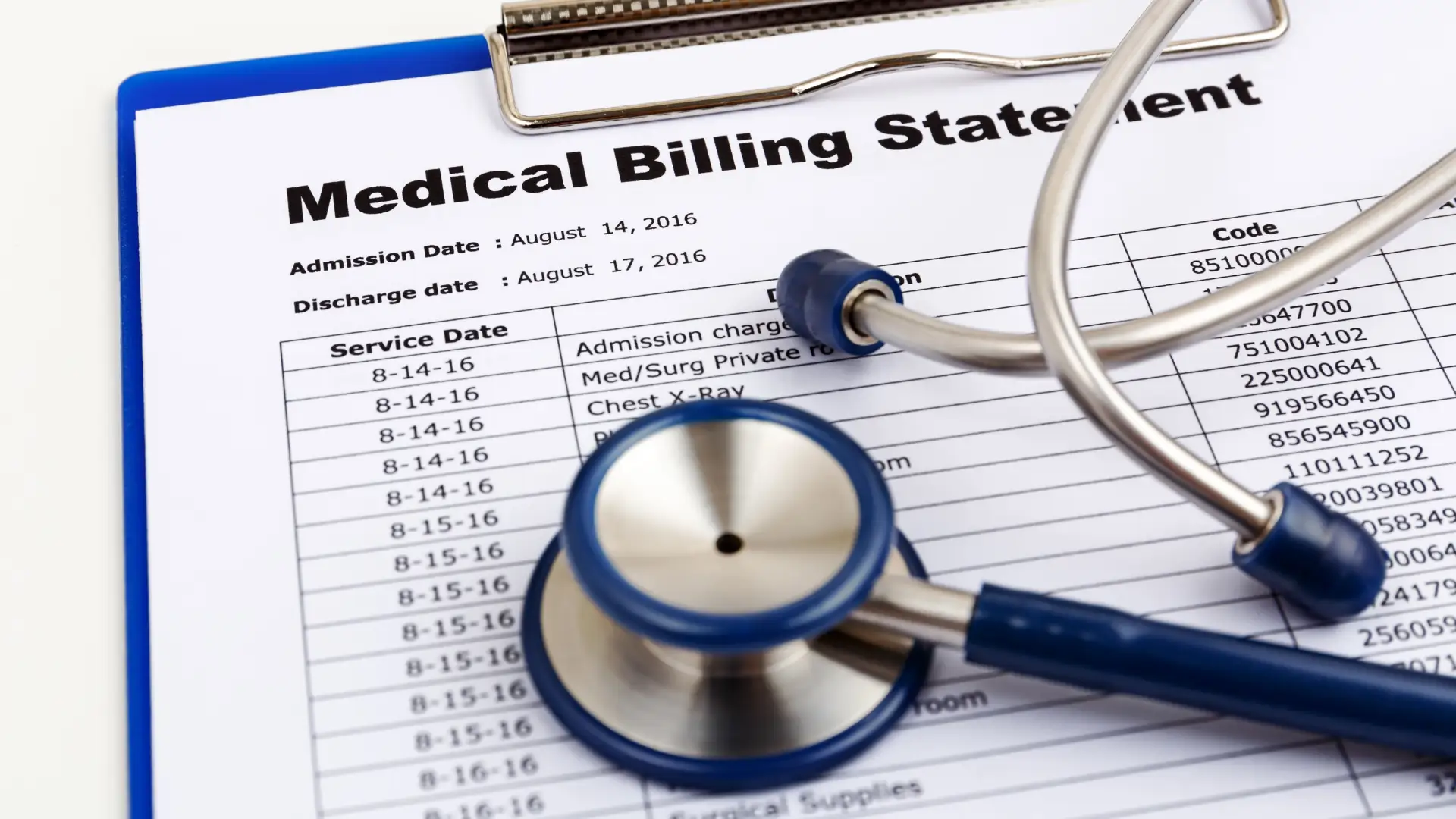
Medical providers who treat you after a car accident may pursue payment in different ways depending on your insurance, their policies, and the circumstances. In some situations, providers may bill health insurance directly. In other situations, particularly where there is no health coverage or coverage is limited, a provider may assert a lien or accept a “letter of protection” and agree to wait for payment from your settlement.
A medical lien is a legal claim against part of your future settlement or judgment. When your case resolves, any valid lien typically must be addressed from the settlement proceeds before you receive your final net recovery. Providers may assert liens for hospital services, specialist treatment, or other care related to your injuries. Our attorneys can help negotiate lien reductions to maximize your net recovery.
In many cases, lien amounts can be negotiated. An attorney can often work with medical providers or lienholders to seek reductions, especially when total medical charges are high compared to available insurance limits or the settlement amount. Reducing liens can increase the portion of the settlement that ultimately goes to you. Understanding how personal injury settlements are paid out and how liens are handled is essential to protecting your recovery. Medicare and Medicaid liens require special attention during settlement negotiations, as these government programs have statutory recovery rights. Watch our video on medical liens to understand your obligations.
Frequently Asked Questions About Medical Bills After a Virginia Car Accident
Do I have to pay my medical bills upfront after a car accident?
You are generally responsible for your medical bills as they come due, even if another driver ultimately turns out to be at fault. Health insurance, MedPay coverage, or payment plans may help you manage these bills while your injury claim is pending. Once your case settles or you obtain a judgment, those funds can help reimburse what has been paid and address any outstanding balances. Understanding the timeline for settlement can help you plan for managing medical expenses during the claims process.
Will I owe my health insurance company back after I settle?
Whether you must repay health insurance depends on the type of coverage you have and the laws that apply to your plan. Some private health plans may have limited or no reimbursement rights under Virginia’s anti-subrogation principles, while government programs and certain self-funded employer plans often do have reimbursement rights. Medicare and Medicaid, in particular, have statutory lien rights that allow them to recover funds from personal injury settlements. The Medicare recovery process involves notification and conditional payment letters. Reviewing your plan documents or consulting with an attorney can clarify what obligations, if any, you have after settlement.
What if the at-fault driver doesn’t have insurance?
If the at-fault driver is uninsured, you may be able to seek payment under your uninsured motorist coverage, if you have it. You would generally provide your insurer with documentation of the crash, proof the other driver lacks insurance, and evidence of your injuries and medical bills. If you do not have UM coverage or there is still a shortfall, you could consider pursuing a personal injury lawsuit directly against the at-fault driver, though collecting from an uninsured individual can be difficult. Hit-and-run accidents present similar challenges and may require additional investigation.
Can I recover all my medical bills in a settlement?
Whether all of your medical bills are compensated depends on factors such as the available insurance limits, the strength of the liability case, any disputes over causation or necessity of treatment, and the overall value of your injury claim. In some cases, settlements can cover the full amount of reasonable medical expenses and additional damages; in others, limits on insurance coverage or contested issues may result in less than all bills being paid. When claims exceed insurance limits, additional recovery strategies may apply, such as pursuing the at-fault driver’s personal assets.
How long do I have to address accident-related medical bills and claims?
Virginia’s statute of limitations for many personal injury claims is generally two years from the date of the accident, meaning a lawsuit usually must be filed within that period if a settlement is not reached. Insurance carriers often require much earlier notice of a claim under the policy, sometimes within days or weeks of the accident. Addressing claims and billing issues promptly can help protect your rights and preserve evidence. Learn more about Virginia personal injury claims and the statute of limitations.
Getting Help With Medical Bills and Insurance Claims
After a car accident, you may need to coordinate several potential sources of payment: the at-fault driver’s liability insurance, your health insurance, MedPay coverage, and any uninsured or underinsured motorist coverage. Understanding how these interact, and how liens or reimbursement claims may affect your settlement, can have a significant impact on your financial recovery.
The insurance and billing process can be confusing, particularly while you are dealing with treatment and day-to-day recovery. CHASENBOSCOLO helps evaluate coverage options, communicate with insurers, and address provider liens so you are not managing these issues alone. We work to pursue available compensation and to reduce the risk that you are left with unpaid crash-related medical bills. Our Virginia personal injury attorneys have extensive experience handling these complex cases and have recovered millions for injured clients.
If you’ve been injured in a car accident in Virginia and have questions about medical bills or insurance coverage, you can contact CHASENBOSCOLO at (703) 538-1138 for a free consultation. We will review your situation, discuss your options for handling medical expenses, and explain how a claim or lawsuit may help you seek compensation. View our client testimonials to see how we’ve helped others recover.