
May 15, 2026 | CHASENBOSCOLO
After a collision in Fairfax, gathering evidence quickly becomes important to supporting your claim. Traffic camera footage, body camera video from police officers, and 911 dispatch records can provide objective information about what happened at the scene. A Fairfax traffic camera request is often one of the first steps accident victims take to document liability. Knowing how to request these records matters. Understanding the timelines involved can make the difference between securing useful evidence and losing it. This comprehensive guide walks you through the process of obtaining traffic camera footage, body camera recordings, and 911 records in Fairfax County and the City of Fairfax. CHASENBOSCOLO has helped injured people in Fairfax gather evidence and pursue compensation for decades.
Why Choose CHASENBOSCOLO for Your Fairfax Car Accident Claim
When you’ve been injured in a Fairfax car accident claim, having legal representation can make a difference. CHASENBOSCOLO has represented accident victims in Fairfax, Maryland, Virginia, and Washington D.C. for decades. Since 1986, the firm reports recovering over $1 billion for injured clients and has extensive experience handling cases in court. Our team of trial attorneys brings decades of combined experience to every case. Learn more about our approach to Fairfax car accident cases and how we help injured clients recover compensation.
Our approach is straightforward: we work for you. We pursue compensation based on the facts of your case. We are prepared to take a case to trial if insurance companies do not offer reasonable settlements. When you call (855) 229-9812, you can speak with a trial attorney who handles injury cases. We focus on identifying and using evidence that may support your claim, including traffic camera footage, body camera recordings, and 911 records.
We work on a contingency fee basis. You pay nothing unless compensation is recovered for you. Your initial consultation is free. We handle the details of gathering evidence while you focus on recovery.
Understanding Traffic Camera Footage in Fairfax
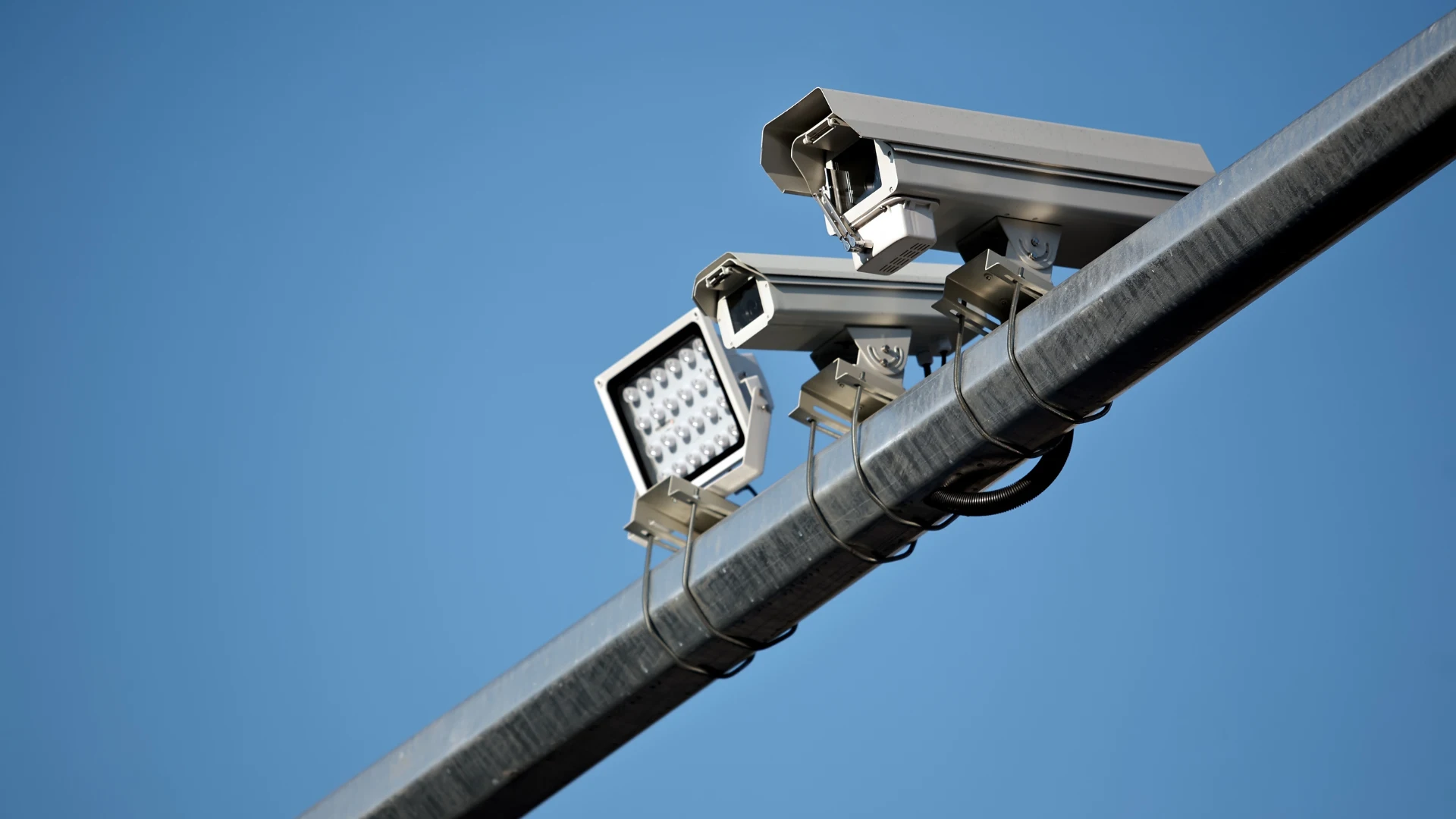
Traffic cameras are installed throughout Fairfax County and the City of Fairfax. They monitor intersections, support traffic enforcement, and contribute to public safety. Understanding what types of cameras exist and how long they retain footage helps you determine whether video evidence of your collision may still be available. This evidence can be critical in establishing liability in your case. When pursuing Fairfax car accident cases, understanding the evidence available to you is essential. Evidence preservation is a key part of building a strong personal injury claim.
Types of Traffic Cameras
Fairfax County and the City of Fairfax operate several types of traffic monitoring systems. Red light cameras, part of the City of Fairfax’s photo enforcement program, capture vehicles that run red lights at major intersections. These cameras record the vehicle, the traffic signal status, and the time of the violation. According to the National Highway Traffic Safety Administration (NHTSA), red light cameras have been shown to reduce intersection crashes.
Speed enforcement cameras monitor school zones and highway work zones. Intersection monitoring cameras operated by Fairfax County track general traffic flow and may capture collisions at busy intersections.
Each camera type captures different information. Red light cameras focus on when a vehicle enters the intersection against the signal. Speed cameras record vehicle speed and location. Intersection cameras provide broader views of traffic patterns and incidents. If your collision occurred at a monitored intersection, one or more of these systems may have recorded it.
How Long Footage Is Retained
Retention periods vary depending on the camera system and jurisdiction. Fairfax County may retain traffic camera footage for approximately 30 to 90 days, depending on the system. The City of Fairfax’s photo enforcement footage (red light and speed cameras) is retained for up to 60 days under Virginia Code § 46.2-882.1.
For general traffic camera footage not related to photo enforcement, retention periods are not always publicly specified. This limited timeframe makes acting quickly important. If you wait too long, the agency may delete footage before you can request it.
Once footage is deleted, it is typically not recoverable. When you contact CHASENBOSCOLO after a collision, we can send preservation letters to relevant agencies requesting that video evidence related to your incident be retained while your case is being evaluated. This proactive approach can protect critical evidence for your claim. Understanding how to preserve evidence is essential to protecting your legal rights.
How to Request Traffic Camera Footage
Requesting traffic camera footage involves filing a Freedom of Information Act (FOIA) request with the appropriate agency. Virginia law provides access to many public records, including traffic camera footage, with some exceptions. Understanding the FOIA process is essential for gathering evidence after an accident. Under Virginia’s Freedom of Information Act, you have the right to access public records held by government agencies.
Step 1: Identify the Specific Intersection and Incident Details
Gather information about your collision, including the exact location, date, time, and any police report number. Having detailed incident information will make your request more efficient. If you need help understanding what information to gather, our guide on how to request an accident report provides additional details. Proper documentation is critical when building a Fairfax personal injury case.
Step 2: Contact the Appropriate Agency
For collisions in Fairfax County, contact Fairfax County Police Central Records. For collisions in the City of Fairfax, contact the City of Fairfax Police Department. Each agency has specific procedures for handling FOIA requests. The Fairfax County Police Department maintains records for incidents in the county. Under Virginia Code § 2.2-3700, public bodies must provide access to public records.
Step 3: File Your FOIA Request
Submit your request in person, by phone, by mail, or online. Include your contact information and detailed incident information. Be specific about the footage you are requesting. The more detailed your request, the faster the agency can locate and provide the materials. Understanding the FOIA request process helps you gather evidence efficiently.
Step 4: Wait for Processing
Under Virginia’s FOIA, agencies generally respond within 5 working days. They may extend this period up to 12 working days with written notice. Understanding these timelines helps you plan your evidence gathering strategy. When pursuing a Fairfax collision claim, timing is critical.
Step 5: Receive Your Footage or Denial Notice
If footage is available, you may receive it via digital link or physical media. If denied, the agency must provide a reason. You have the right to appeal any denial. When pursuing a Fairfax personal injury claim, having all available evidence strengthens your position.
Obtaining Body Camera and Police Records
Police body cameras and 911 dispatch records can provide additional context. Body camera footage captures the officer’s perspective and interactions at the scene. 911 records document the initial report and response timeline. These records are often critical pieces of evidence in accident claims. Understanding how police reports influence car accident claims in Virginia can help you determine what evidence matters most. The International Association of Chiefs of Police (IACP) has established standards for body camera use and retention.
Body Camera Footage Availability
Many Virginia law enforcement agencies use body cameras during public interactions. If officers responded to your collision, footage may be available. You can request it through a FOIA request with the responding department.
This footage may show scene conditions, statements from drivers or witnesses, and officer observations. It can be useful when evaluating what occurred. Body camera footage often provides an objective account of the accident scene. When building a Fairfax car accident case, this evidence can be invaluable.
911 Dispatch Records
911 calls generate records that include the caller’s description, timestamps, and dispatcher notes. These records help establish when and how the incident was reported. The initial 911 call can be crucial evidence in your case.
To request 911 records in Fairfax County, you can use the online VFOIA request form or contact Fairfax County Public Safety Communications. Provide as much detail as possible, including date, time, location, and any known case numbers. The more specific your request, the better your chances of obtaining the records quickly. The National Emergency Number Association (NENA) maintains standards for 911 call handling and record retention.
Working with Third-Party Services
Some companies obtain and archive traffic camera footage across jurisdictions. These services may provide quicker access in some situations. However, it’s important to understand the limitations and costs involved. Similar to how we handle Fairfax pedestrian accidents, we coordinate with agencies to gather all available evidence.
They may retain footage longer and provide copies formatted for review. However, they charge fees, often ranging from $50 to $500, depending on the request. These services can be helpful when government agencies no longer have footage available.
In some cases, footage obtained directly from government agencies may carry more evidentiary weight. An attorney can help determine whether third-party footage is useful for your situation. Our team can advise you on the best approach for your specific case. When pursuing Fairfax truck accidents or other collision cases, we leverage all available evidence sources.
Why Acting Quickly Matters
Time matters when seeking accident evidence. Whether you’ve been injured in Fairfax truck accidents or car collisions, time is critical when preserving evidence. Body camera recordings and 911 records may also become harder to access over time. The sooner you take action, the better your chances of preserving critical evidence.
When you contact CHASENBOSCOLO, we can take steps to request preservation of relevant evidence and begin the process of obtaining records. We can also coordinate with agencies and track deadlines while you focus on your recovery. Our experience with evidence preservation can make a significant difference in your case.
Frequently Asked Questions
How much does it cost to request traffic camera footage?
Many agencies charge minimal fees for FOIA requests, often between $5 and $25. Third-party services typically charge more. If you work with CHASENBOSCOLO, these costs may be handled as part of your case. We can advise you on the most cost-effective approach.
How long does it take to receive the footage?
Virginia FOIA requires a response within 5 working days, with possible extension up to 12 working days. Timing can vary depending on the agency and request volume. Our team understands these timelines and can help you plan accordingly.
What if the camera didn’t capture my accident?
If footage is unavailable, other evidence such as witness statements, police reports, vehicle damage, and medical records may still support your claim. In Fairfax motorcycle accidents and other collision cases, we have extensive experience building strong cases with multiple types of evidence.
Can I request footage without filing a police report?
Yes, although having a report and case number may make the request process more efficient. If you haven’t filed a report, we can advise you on whether doing so would be beneficial for your case. Learn more about how to dispute car accident fault and the importance of documentation.
Do I need an attorney to request these records?
You can request records yourself. An attorney can help identify relevant evidence, submit thorough requests, and address any denials. Just as we handle Fairfax premises liability claims, our team has successfully obtained records in hundreds of accident cases.
What should I do if my request is denied?
You have the right to appeal. The agency must explain the reason for the denial. Legal guidance may help determine next steps. We can assist with appeals and help you understand your options.
Get Help Gathering Your Accident Evidence
You do not have to handle the evidence collection process alone. CHASENBOSCOLO assists with requesting traffic camera footage, body camera video, and 911 records. When you call (855) 229-9812, you can speak with an attorney about your situation.
We understand that after a collision, you may be dealing with injuries, insurance issues, and uncertainty. We can help gather records, preserve evidence, and build a claim based on available facts. Our comprehensive approach to evidence gathering strengthens your position. Contact CHASENBOSCOLO today for a free consultation.
We work on a contingency fee basis, so you pay nothing unless compensation is recovered. There is no obligation to get information about your options. View our client testimonials to see how we’ve helped others recover.